

Massachusetts winters are predictable. Serious injuries caused by negligent snow and ice removal are not. Every year, poorly plowed parking lots, untreated walkways, and dangerously piled snow lead to broken bones, head injuries, spinal trauma, and preventable vehicle crashes. When snow removal is done carelessly—or not done at all—the law provides a path for injured individuals to seek accountability.
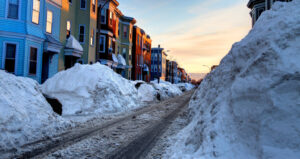
When Snow Removal Becomes Dangerous
Snow removal is more than pushing snow aside. It requires proper timing, adequate treatment of ice, and attention to how melting and refreezing can create hazards. Dangerous conditions frequently arise when:
- Snow is plowed into piles that block visibility or pedestrian access
- Ice is left untreated after plowing
- Contractors fail to return after melting and refreezing occurs
- Snow and slush are pushed into public walkways or roadways
Massachusetts law recognizes that property owners and contractors must act reasonably under winter conditions. They are not expected to guarantee perfectly clear surfaces during a storm, but they cannot create new dangers or ignore known or foreseeable hazards.
Liability of Private Snow Removal Contractors
Private snow removal companies can be held responsible when negligent work causes injury. Massachusetts courts recognize that contractors who undertake snow removal services assume a duty to perform that work with reasonable care.
Liability may arise when contractors:
- Perform plowing or salting in a careless or incomplete manner
- Fail to follow contractual service requirements
- Create hazardous ice conditions through improper snow placement
Responsibility of Property Owners
Property owners in Massachusetts also have a legal duty to maintain reasonably safe premises. Under Massachusetts premises liability law, owners can be held responsible if they knew or should have known about a dangerous snow or ice condition and failed to correct it.
Hiring a snow removal contractor does not automatically eliminate an owner’s responsibility. Property owners may still be liable if they:
- Hire unqualified or uninsured contractors
- Ignore known hazardous conditions
- Fail to inspect or monitor snow removal work
Massachusetts follows a comparative negligence system under M.G.L. c. 231, §85, meaning an injured person may still recover damages even if partially at fault, so long as they are not more than 50% responsible for the incident.
Claims Against Municipalities
When negligent snow removal involves a city or town, claims are governed by the Massachusetts Tort Claims Act, M.G.L. c. 258. This law allows injured individuals to bring claims against public entities, but it imposes strict procedural requirements and limits the amount that can be recovered.
Key limitations include:
- Written notice must be presented to the municipality within two years of the injury
- Claims are subject to statutory damage caps
- Certain governmental immunities may apply
In addition, injuries caused by defective public ways—such as unsafe sidewalks or roadways—may fall under M.G.L. c. 84, §15, which allows claims against municipalities responsible for maintaining public roads and sidewalks but limits the recovery to $5,000, making such a claim impractical. These cases often involve strict notice requirements and shorter filing deadlines, making early investigation critical.
Proving Negligence in Snow Removal Cases
Snow and ice injury cases are often heavily disputed. Insurance companies frequently argue that winter hazards are unavoidable. Successful claims typically depend on strong evidence, including:
- Photographs or video showing hazardous conditions
- Weather data establishing storm timelines and refreezing patterns
- Snow removal contracts and maintenance logs
- Witness statements and expert testimony
Prompt documentation can make a significant difference in proving liability.
Winter Conditions Do Not Excuse Negligence
Living in Massachusetts means living with snow. It does not mean accepting preventable injuries as an unavoidable part of winter. When snow removal contractors, property owners, or municipalities fail to take reasonable steps to protect the public, the law allows them to be held accountable.
Serious snow-related injuries can leave lasting physical, emotional, and financial consequences. Massachusetts law exists to ensure that injured individuals have the right to pursue compensation for medical expenses, lost income, and the long-term impact of harm that never should have happened.
SUGARMAN has decades of experience handling claims involving injuries caused by poor snow and ice removal. If you or a loved one has been injured, and you’d like to speak to one of our attorneys, call 617-542-1000, email or fill out our contact form.