

Halloween is a favorite tradition for families across Massachusetts, from neighborhood trick-or-treating to costume parties and haunted attractions. But crowded sidewalks, dark streets, and unfamiliar property hazards can increase the risk of accidents. A few simple precautions can help protect children, visitors, and drivers while keeping the holiday enjoyable.
How Can Children Stay Safe While Trick-or-Treating?
Children may be excited to move quickly from house to house, sometimes crossing streets without recognizing approaching vehicles. Parents and caregivers can make trick-or-treating safer by following a few guidelines:
- Choose a safe route. Stick to familiar, well-lit streets with sidewalks and crosswalks.
- Supervise younger children. Accompany young trick-or-treaters and establish clear rules for older children traveling in groups.
- Cross carefully. Use marked crosswalks when available, look in both directions, and watch for turning vehicles.
- Improve visibility. Carry flashlights and add reflective tape to costumes or treat bags.
- Limit distractions. Remind children not to look at phones or run between parked cars.
Even in familiar neighborhoods, children should remain alert around driveways and intersections.
What Makes a Halloween Costume Safe?
Costumes should be fun without interfering with a child’s ability to see or walk. The U.S. Consumer Product Safety Commission recommends attention to fit, visibility, and flammability.
Choose costumes that do not drag on the ground, comfortable shoes, and flexible accessories without sharp edges. Consider face paint instead of masks that block peripheral vision. Flame-resistant materials and battery-operated lights can also help reduce risks. Before heading out, have children practice walking and climbing steps in their costumes.
How Can Drivers Help Prevent Halloween Accidents?
Drivers should expect more pedestrians than usual, particularly in residential neighborhoods after dark. Children may emerge unexpectedly from between parked cars or cross without looking.
To reduce risks, motorists should:
- Slow down and remain especially attentive near intersections and driveways.
- Watch for children in dark costumes and pedestrians crossing midblock.
- Avoid phone use and other distractions.
- Check carefully before backing out of a driveway.
- Never drive under the influence of alcohol or drugs.
Under M.G.L. c. 89, § 11, Massachusetts drivers must yield to pedestrians in marked crosswalks in specified circumstances. Drivers also have a broader duty to operate their vehicles with reasonable care.
How Can Homeowners Make Their Property Safer?
Homeowners welcoming trick-or-treaters should inspect areas where visitors are likely to walk. Fallen leaves can conceal uneven pavement, while decorations, extension cords, and inadequate lighting may create tripping hazards.
Before Halloween:
- Clear leaves, toys, and other obstacles from walkways and stairs.
- Secure cords and decorations away from walking paths.
- Check railings, steps, and outdoor lighting.
- Use battery-operated candles instead of open flames.
- Keep pets safely separated from visitors.
Massachusetts property owners and occupiers generally must exercise reasonable care toward lawful visitors. In Mounsey v. Ellard, 363 Mass. 693 (1973), the Supreme Judicial Court adopted a reasonable-care standard for lawful visitors rather than separate rules based on traditional visitor categories. A property owner is not automatically liable for an accident, but an unaddressed, foreseeable hazard may create legal responsibility.
What About Halloween Parties and Attractions?
Haunted houses, hayrides, and costume parties present additional concerns, including poor lighting, crowded areas, unsafe equipment, and blocked exits. Visitors should follow posted instructions and avoid hazardous areas. Organizers should address foreseeable dangers and provide safe entrances and exits.
At gatherings where alcohol is served, guests should arrange a sober ride. Parents should also check treats for food allergens, choking hazards, or damaged packaging before children eat them.
What Should You Do If Someone Is Injured?
If an injury occurs, seek medical care promptly. When practical, photograph the location and any hazardous condition, collect witness information, and report the incident to the property owner or appropriate authorities. Preserve relevant items, such as damaged clothing or a defective product.
Depending on the circumstances, serious injuries caused by negligent drivers, unsafe property conditions, or defective products may support a Massachusetts personal injury claim. Liability depends on the facts of the incident.
 Enjoy a Safe Halloween
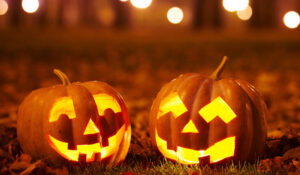
Halloween should be a time for celebration, not preventable injuries. With careful planning and attention to potential hazards, families, homeowners, and motorists can help make the holiday safer.
For more than six decades, SUGARMAN has represented individuals and families throughout Massachusetts who have suffered serious injuries caused by negligence. To discuss a potential personal injury claim, call 617-542-1000, email , or fill out our contact form.